





Getting Started Without Guesswork
Imagine you are registering late at night, half-distracted, and you just want to start. That is exactly when small mistakes happen - a typo in your details, a weak password, or an email you rarely open. If you want fewer surprises later, treat the first ten minutes as setup, not as a rush.
Start with one email you control and one main device you will use most often. If you jump between devices, browsers, and networks, platforms can flag it as unusual behavior, and you may get extra checks at the worst moment (usually when you want to withdraw). Keep it simple: one profile, one routine.
A Quick Registration Flow That Avoids Rework
Picture this: you fill your name one way today and a slightly different way tomorrow. Later, when verification appears, you end up sending extra messages just to explain the mismatch. A safer approach is to enter your details carefully once, then leave them stable unless you truly must change them.
Use a password manager so you do not recycle passwords across sites. If two-factor authentication is offered, turn it on early. The goal is boring reliability - you should not be thinking about access issues during a session.
Limits First, Excitement Second
Most players plan limits after something goes wrong. A better move is to set them before your first deposit, while your mood is calm. Imagine you win quickly and decide to push your luck - limits are the guardrail that stops a fun moment from turning into a long, messy chase.
Set a deposit cap that matches your real budget and add session reminders if available. If the platform allows instant limit increases, use your own rule too: a fixed stop time and a clear “I quit for today” trigger.
What Winmate88 Reviews Usually Focus On
Think of player feedback as a map of friction points. If you are in Australia and you are deciding where to play, most comments become useful only when they describe actions: signing in, funding, switching games, requesting a cashout, and dealing with support.
A good reading habit is to look for patterns, not drama. Imagine two people complaining about delays: one mentions a method change and incomplete documents, the other lists a timeline and says everything was approved after a check. Those details tell you what to do, not just what to feel.
Navigation, Search, And Session Rhythm
Suppose you have ten minutes on your phone and you want to reopen the same title you played yesterday. Players notice when the lobby makes that easy: clear categories, a search that actually finds titles, and shortcuts like favorites or recently played.
Do a quick “no money” test first: browse, filter, open a few games, exit, then find them again. If it already feels clunky, it will feel worse when you are trying to play fast.
Deposits And Verification Triggers
Imagine you deposit smoothly, then later see a verification request right when you want to withdraw. That timing frustrates people, but it is often tied to predictable triggers: switching methods, changing details, logging in from a new device, or sudden changes in activity.
Your best defense is consistency. Choose one funding method and stick to it, keep your profile data stable, and upload clear documents when asked. Doing it early can prevent a last-minute scramble.
Support Quality In Real Situations
Picture a common problem: a bonus does not credit, a game freezes, or a transaction status does not update. Players usually judge support by the first reply - does it ask the right questions and give steps you can follow, or does it circle around generic text?
When you contact support, send one clean message with a timeline, your device type, and what you already tried. Clear input tends to produce clearer output.

Games And Features Players Notice First
Imagine you open the lobby and ask two questions: “Does it load fast?” and “Does it behave the same every time?” Variety matters, but stability matters more, because unstable sessions create stress, and stress makes people play badly.
Test a few categories in short sessions. Switch games a couple of times, change stake size carefully, and watch how the platform reacts. You are not testing luck - you are testing predictability.
Demo Mode Vs Funded Play
Suppose a game feels perfect in a free mode, then behaves differently when you play with money because extra checks run in the background. That difference is normal across the industry. Treat demo mode as a way to learn gameplay, not as proof of how payments will feel.
If you decide to deposit, start small and treat the first session like a rehearsal. Note loading times, reconnect behavior, and whether pop-ups interrupt play.
Promotions Without Pressure
Imagine you see a banner and think “extra value,” then discover rules that push you into longer sessions or bigger bets. Promotions can be fine, but only if they match how you already play.
Before opting in, scan for the practical constraints: eligible games, time limits, max bet restrictions, and wagering requirements. If the offer changes your behavior, it is not helping - it is steering.
Payments, Cashouts, And Practical Timing
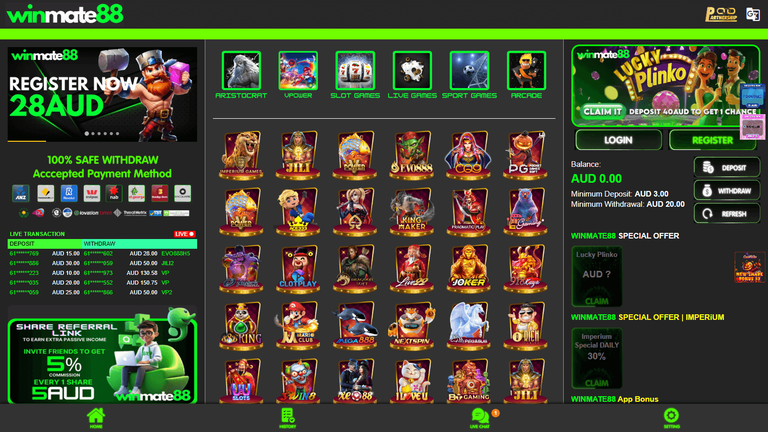
Most players only learn the withdrawal process when they are emotional - either excited after a win or stressed after a loss. Picture yourself doing the opposite: making one small test cashout early, just to see the steps and the messages you get. That tiny test can prevent bigger frustration later.
Keep variables low. Use one method, avoid profile edits around cashout time, and do not cancel and resubmit repeatedly. If a review is needed, clean documents and calm communication usually beat repeated clicks.
What To Check | A Practical Player Habit | Common Pitfall | Why It Helps |
|---|---|---|---|
Funding Method | Pick one method and reuse it | Switching mid-stream | Fewer extra checks |
Profile Details | Enter details once, keep them stable | Typos or mismatches | Smoother verification |
Document Upload | Use clear photos in good light | Blurry or cropped images | Fewer re-uploads |
First Cashout | Do a small test request early | Waiting until “urgent” | You learn the flow |
How To Handle A Slow Cashout Calmly
Imagine you submit a request, then panic and start changing things: cancel, resubmit, switch methods, edit your profile. That behavior often creates more review work. A calmer approach is to submit once, wait for the next required step, then respond directly.
If support is needed, ask a single focused question: what is pending and what is the next action. Keep your message short and specific.
Mobile Experience In 2026
Picture a commute session: you want quick access, stable login, and a lobby that does not fight your thumbs. Mobile play is convenient, but payments and document uploads can be harder on a small screen.
A practical split works well: play on mobile if you like, but handle verification, deposits, and withdrawals on your most stable device and connection. Do one full loop on mobile too - sign in, browse, open a game, exit, and return - so you know what to expect.
Safety, Privacy, And Responsible Play Tools
Imagine you notice your sessions getting longer and your decisions getting faster. That is the moment to use a timeout or a session reminder, not after the damage is done. Responsible play tools are most effective when they interrupt momentum.
Keep security habits tight: unique password, updated device, and no account sharing. If you play on public Wi-Fi, save payments and profile changes for a safer connection.
Timeouts And Self-Exclusion As Real Controls
Suppose you tell yourself “just one more” three times in a row. A short break can reset your head and stop impulsive play. Use cooling-off options when you feel tilt starting, not when you are already deep into it.
If you activate a longer restriction, treat it as a decision you respect. Trying to bypass it usually turns entertainment into stress.
A Small Routine That Reduces Risk
Imagine you finish a session and feel the urge to jump back in immediately. Do a simple routine instead: log out, close the tab/app, and set a reminder for tomorrow if you still want to play. That tiny pause is often the difference between a controlled hobby and a spiral.
Also keep notes of your deposits and sessions. A short log makes your own behavior visible, which helps you self-correct.
Support And Problem Solving Playbook
Picture a small issue becoming a big one because you wait, then message support in a rush. The best outcomes usually come from a clean “ticket” style message: what happened, when it happened, what you expected, and what you already tried.
Avoid sending five short messages. Send one complete message, wait for a response, and answer questions directly. That simple discipline often shortens resolution time.
What To Prepare Before You Write
Suppose a game crashed or a transaction status looks stuck. Include your device type, whether you are on Wi-Fi or mobile data, and the exact wording you saw on screen. If the issue relates to a payment, mention the method type without oversharing personal data.
Keep screenshots for yourself, but focus on giving support a clear timeline they can follow.
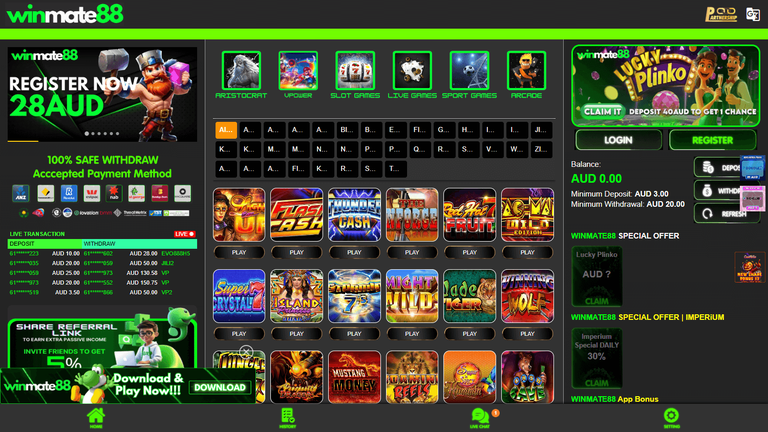
Reading A Winmate88 Casino Review Like A Pro
Imagine you see a dramatic headline and feel your decision swing instantly. That is a trap. The practical way to evaluate any platform is to compare journeys: sign-in, deposit, play, cashout, checks, resolution. When you read like that, you spot where problems cluster.
Treat comments as signals, not verdicts. Look for specifics: what the player did, what support asked for, and what happened next. Vague anger is easy to write and hard to verify; clear steps are harder to fake and easier to learn from.
How To Compare Stories In Minutes
Take three recent comments and rewrite each into steps. If the same step fails repeatedly (for example, switching methods or messy document uploads), you know what to avoid. If the complaints are all different and inconsistent, the issue may be personal habits rather than the platform.
When To Walk Away
Suppose the experience stops feeling fun - you play longer, you chase, and you feel tense. The smartest “feature” is the ability to stop. Cash out if you can, set a longer break, and return only when you can treat it as entertainment again.